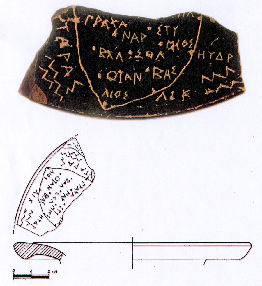
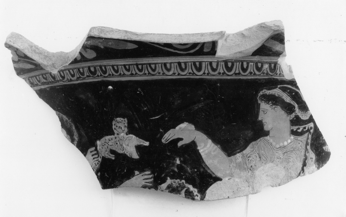
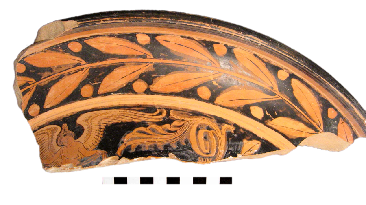
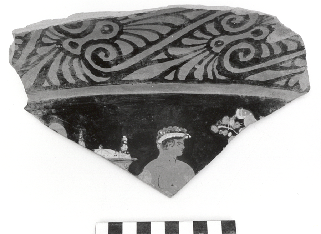
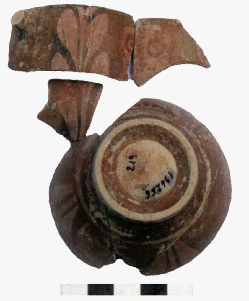
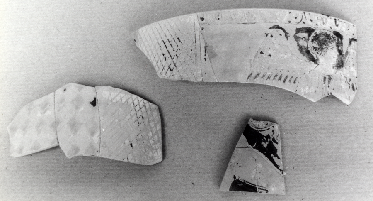
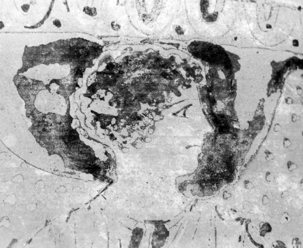
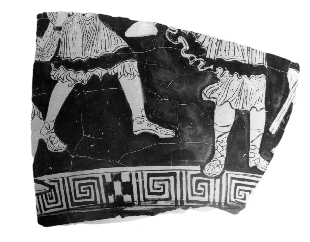
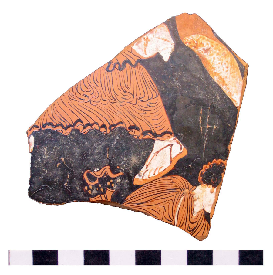
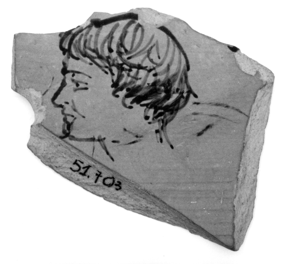
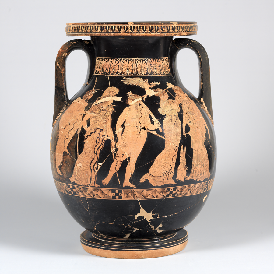
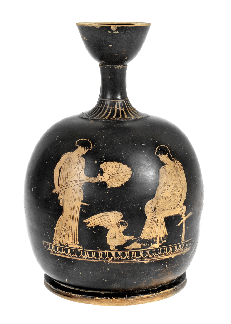
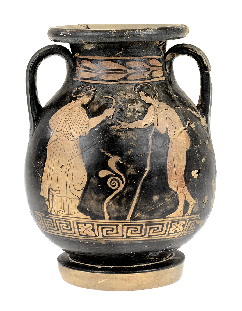
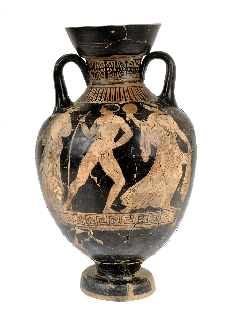
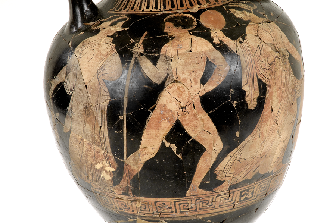
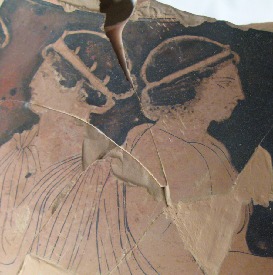
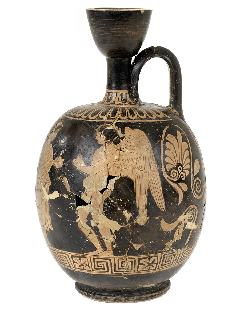
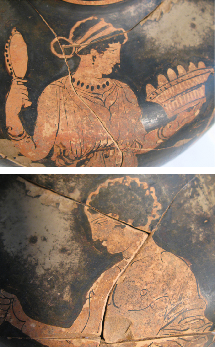
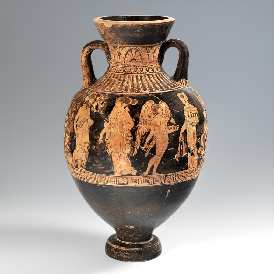
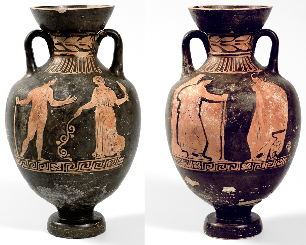
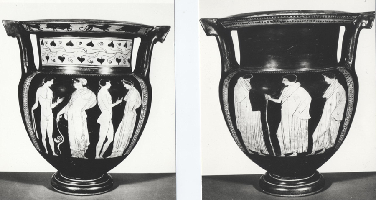
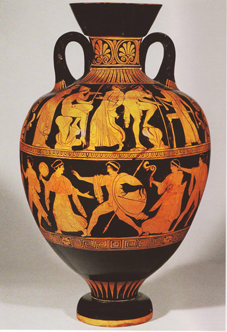
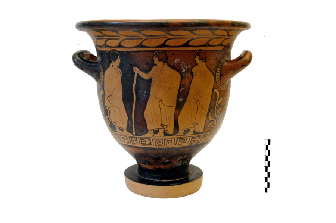
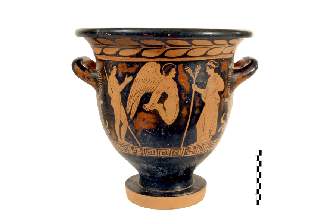
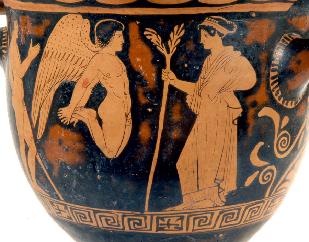
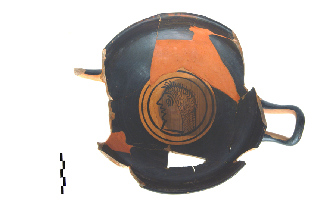
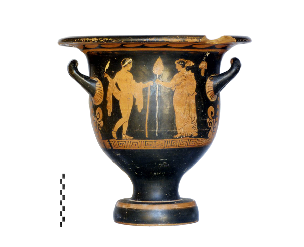
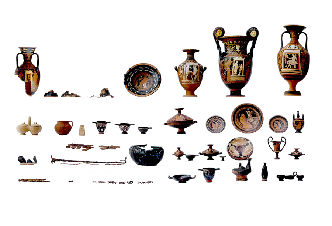
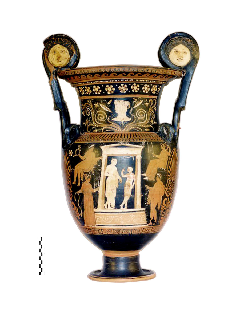
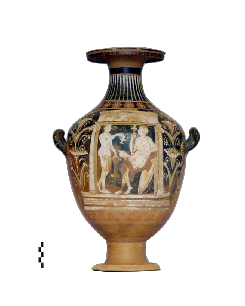
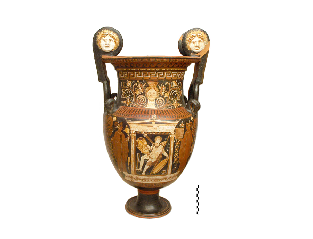
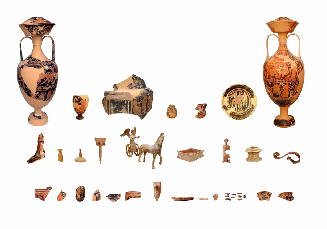
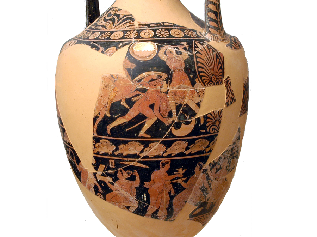
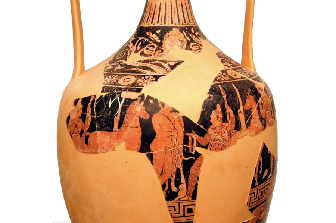
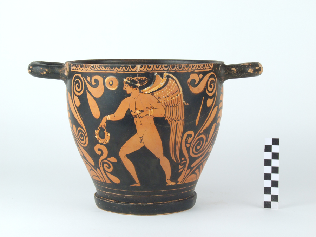
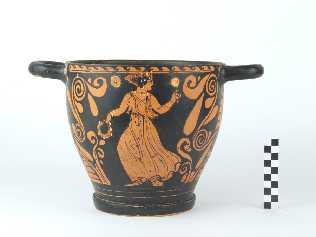
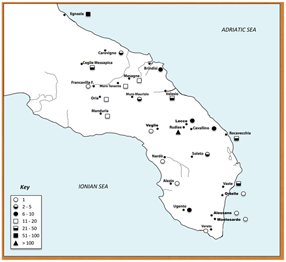
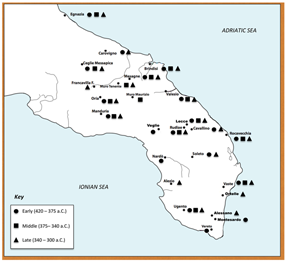
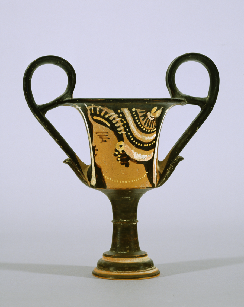
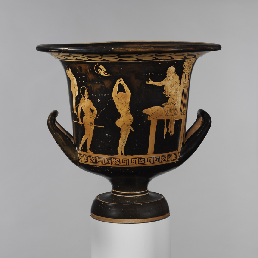
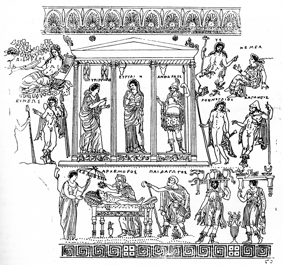
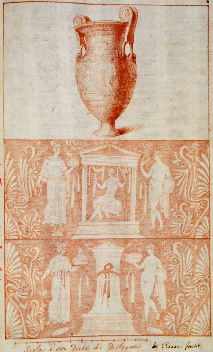
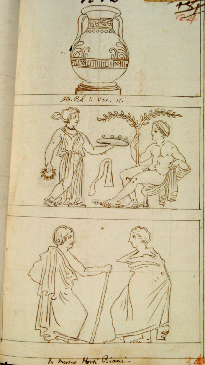
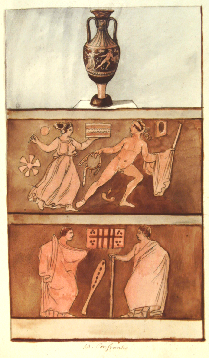
Ancient ceramic fragment with intricate designs and patterns, featuring what appears to be a face profile at one end.

Introduction

This is an image of a map showing geographic regions labeled as "Pelasgians" and "Etruscans," with the Mediterranean Sea visible in the background. The style appears to be a historical or antique map, possibly from a book or publication related to ancient history.

WF 1

Ch. 2: Lombardo

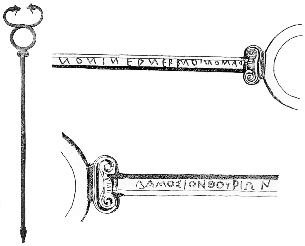
This is a black and white illustration featuring two keys with intricate designs and engravings on them. The key on the right has Latin text, "ALIUS DEVS ALIUS MORTIS" engraved on its side. The keys are likely symbolic or representational rather than functional due to their stylized forms and embellishments.

WF 13

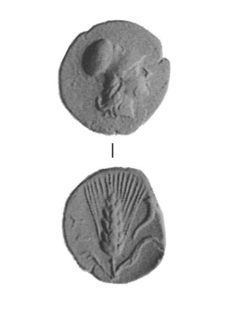
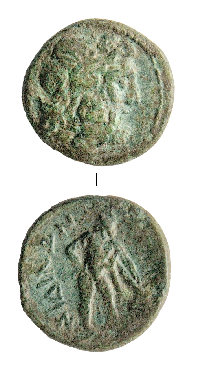
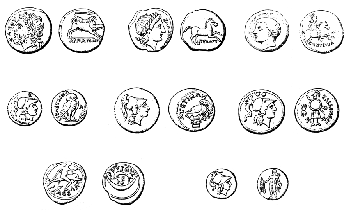
This is a black and white image showing a collection of coins from different historical periods, each coin featuring unique designs and possibly inscriptions, which are the key visual features. The coins come in various shapes, sizes, and styles, reflecting their cultural and time-specific origins.

WF 14

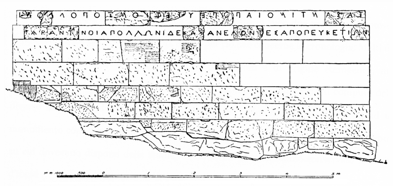
The image depicts an ancient Greek inscribed fragment with visible letters written in a script that is typical for classical Greek texts, and there's also a partial depiction of what appears to be a landscape or architectural structure on the surface of the artifact, which resembles pottery.

WF 15

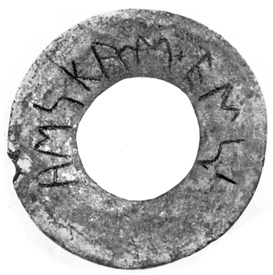
The image shows a circular fragment of an ancient ceramic object with text inscribed on its inner surface. The writing appears to be in an archaic script, and the material looks weathered with signs of decay. The edges are irregular, suggesting that this is a small part of a larger item or perhaps multiple fragments from the same artifact placed together for viewing or comparison.

WF 16

The image shows an archaeological artifact, specifically a fragment of ancient Greek pottery with writing on it. The text is inscribed using the Linear B script, which was used by Mycenaean Greeks and is one of the earliest forms of written Greek. The fragment itself appears to be weathered, suggesting age and exposure to various conditions over time.

WF 17

The image shows a fragment of an ancient pot with Greek inscriptions. The writing is in black against the light background of the clay, and the pot has a rough texture visible on its surface.

WF 18

The image depicts a close-up view of an ancient ceramic fragment with inscribed writing. The text is likely from an early alphabet, possibly Greek or a similar system. The background is a pale beige color, and the edges of the pottery show signs of wear and breakage indicative of its age.

WF 19

The image shows a map divided into various regions with labels in an unknown language. The map uses different colors to represent certain areas, which could be based on political boundaries, geographical features, or other distinctions.

WF 20

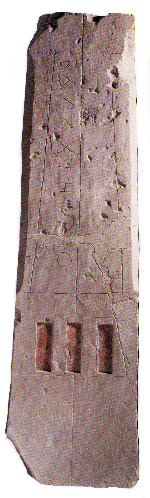
The image shows a fragment of an ancient artifact with visible engravings on its surface. The piece appears to be made of stone, and the engravings are intricate, possibly depicting patterns or symbols.

WF21

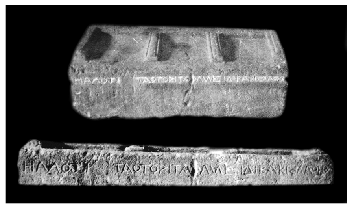
The image shows a fragment of a stone artifact with visible engravings on its surface. The fragment appears weathered, suggesting age, and has an irregular shape indicative of a broken piece of a larger object. The material is rough, hinting at the durability of the rock used in its construction.

WF22

The image shows a fragment of ancient pottery with incised lines and markings on its surface. The material appears to be clay, and it has a worn, dirty texture indicative of its age and exposure to various conditions over time.

WF 23

The image shows an ancient clay tablet with inscriptions, likely originating from a historical site. The tablet has visible writing on its surface and appears to be in good condition for its age. It is displayed against a neutral background which accentuates the tablet's features.

WF 24

Map showing the distribution of Phoenician and Punic inscriptions across a region with specific areas highlighted in red, yellow, and blue to denote different historical periods. This includes text labels for various sites such as Sfax and Zagora within the depicted territory.

WF 25


Ch. 4: Silvestrelli

This image shows an aerial map with various colored markers scattered across a coastal area. The map includes fields and bodies of water, possibly indicating land usage or environmental features. The different colors of the markers may represent points of interest, sites, or other data relevant to the information being displayed.

WF 42

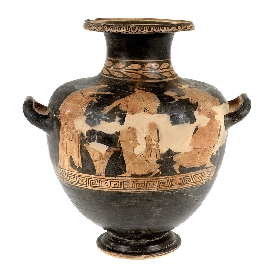
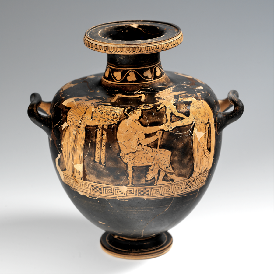
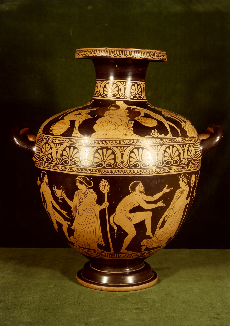
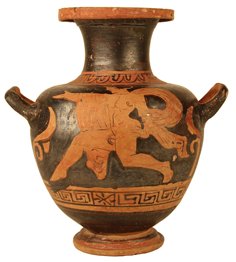
This is an image of a large ancient Greek vase known as a hydria. It's made of terracotta, and features painted scenes with figures engaged in various activities. The artwork includes detailed clothing and human forms, indicative of the artistic style from classical antiquity.

WF 43

This is an antique vase made of terracotta with visible signs of age such as fading colors and areas of erosion. The vase features intricate designs, including what appears to be human figures and possibly mythological scenes, which are characteristic of ancient Greek or Roman pottery.

WF 44

Ancient Greek vase painted with mythological figures, featuring black silhouette against a red background. The vase is covered in decorative patterns and has visible signs of age, such as chips and cracks.

WF 44 detail

The image shows a Greek terracotta amphora featuring black-figure painting on its body. The vessel has two handles at the top and is decorated with figures, suggesting an artistic representation of mythology or daily life from ancient Greece.

WF 45a

This is a photograph of an ancient Greek vase with intricate relief decorations depicting human figures in classical attire. The vase is primarily dark brown and the figures are in lighter tones, emphasizing their forms. It has two handles at its sides and stands on three legs, showcasing its classic ceramic pottery form.

WF 45b

This is a black-figure amphora, an ancient Greek vase with scenes from daily life depicted on its sides. The figures are rendered in silhouette against a lighter background, giving them the characteristic three-dimensional effect of the black-figure technique.

WF 46

The image shows a black vase with two figures depicted on its side, which appear to be engaging in an activity such as dancing or interacting while holding objects like musical instruments or weapons. The pot has handles and features Greek-style design elements, indicative of its possible historical origin from ancient Greece.

WF 47a

This is an ancient Greek terracotta vase with painted decoration featuring figures in a mythological scene. The vase has visible handles and a protruding foot for support, typical of the Dipylon style from around the 8th century BCE.

WF 47b

The image shows a Greek vase with black-figure pottery technique depicting human figures in a running pose, characterized by fine detail and artistic skill. The vase has visible signs of age and wear, indicative of ancient origin.

WB 48

This is a large Greek black-figured amphora featuring human figures in various poses, showcasing the artistic style characteristic of Ancient Greece. The color contrast and details on their attire indicate an intricate design often found in ancient pottery.

WF 48 detail

The image shows a fragment of an ancient Greek vase with two painted figures on it. The vase is earthenware, and it features intricate details of the human figures' attire and facial expressions. The style indicates it's likely from a historical context when artists used pottery to depict scenes and stories.

WF 49

This is an image of a Greek black-figure amphora with visible figural decoration, suggesting scenes from mythology or everyday life. The vase appears to be in good condition, showcasing the craftsmanship and artistic style characteristic of ancient pottery.

WF 50a

This is an image of a large, cylindrical ancient Greek vase with faded colors. The vase has visible decorative patterns and scenes, including human figures. It's made from a material that appears to have aged over time, giving it a weathered look.

WF 50b

The image depicts an ancient Greek black-figured amphora. It is a large vase with two handles, and on its body there are scenes depicting figures engaged in various activities, rendered with high detail typical of the black-figure pottery style from this period. The colors visible include dark hues, possibly for the human figures, and lighter tones that suggest other elements within the scene. The amphora is displayed against a neutral background to highlight its features.

WF 51

The image shows a whole, round ancient Greek vase with a handle on each side. The body of the vase is adorned with figures and designs in black and gold colors, characteristic of Etruscan art.

WF 52a

The image shows a Greek vase with intricate black-figure decoration featuring human figures in profile. The vase has a cylindrical body, flaring mouth, and narrow neck with handles at either side for carrying. The surface is dark with areas of lighter color on the figures, suggesting age or intentional design to highlight the subjects.

WF 52b

The image shows an ancient Greek vase with a handle on top and two handles on its sides, depicting figures in black-figure technique. The vase is made from ceramic material and features intricate designs and patterns typical of Greek pottery from the Classical period.

WF 52c

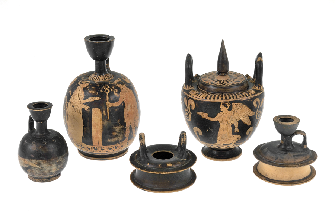
A collection of five antique Greek vases in various styles and sizes, featuring black-figure pottery techniques with visible decoration on their surfaces, displayed against a neutral background.

WF 53

The image displays a portion of an ancient pottery vessel with depictions of human figures, likely from classical antiquity. The style and quality suggest it could be Greek or Roman, featuring two different scenes on each side. One scene depicts a seated figure holding what appears to be a scroll or document, while the other shows a standing figure holding out an object that resembles a lyre. The pottery is inscribed with incised patterns and has some visible wear and tear, indicative of its age and history.

WF 54

The image shows a large, round ceramic vessel with handles on each side and an intricate pattern depicting figures in profile along its body. The surface is darkened due to age, suggesting the piece is ancient, possibly Greek or Roman pottery.

WF 55a

The image displays a large, ancient Greek vase with detailed black-figured decoration on its body and neck. The style is characteristic of the Attic Black Figure Style, which was popular in Athens during the late Archaic and early Classical periods of Ancient Greece.

WF 55b

The image shows an antique Greek vase, featuring a scene with human figures. The style of the depiction is characteristic of ancient Greek art and the vase appears to be crafted from earthenware material.

WF 56a

Ancient Greek pottery with black-figure style decoration featuring two human figures; one standing and the other seated, rendered in high relief against a textured background. The pot is intact, showcasing traditional Hellenistic artistry.

WF 56b

Three views of a cylindrical black-figured vase with a decorative scene depicting human figures, likely from ancient Greece.

WF 57


Ch. 6: Riccardi

This is a black-figure amphora from ancient Greece, made of clay, featuring classical human figures in dynamic poses on its body, with visible scenes and details painted on the surface. The handles are attached at both the neck and base, and there's an incised design around the neck area.

WF 66a

The image shows an ancient Greek vase with black-figure pottery technique. It is a round-bodied, short-necked vessel featuring figures on the sides in profile poses, typical of early Attic ceramics from around the sixth to fifth centuries BCE.

WF 66b

The image is of an archaeological artifact, specifically a fragment of ancient Greek or Roman pottery. The fragment depicts figures in profile, likely gods or mythological characters based on the attire and iconography. The colors are muted with earthy tones, and the style suggests it is from the Hellenistic period.

WF 66b (detail)

The image shows a black-figure vase from ancient times, featuring Greek artistry with human figures depicted in profile. The style is characteristic of Athens' golden age and is commonly associated with Etruscan art as well.

WF 67

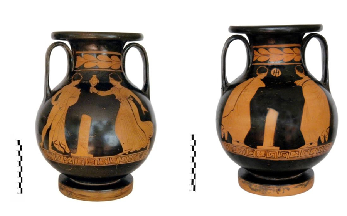
This is a photograph of an ancient Greek vase featuring a depiction of two figures in profile, one appearing to be walking away from the other. The vase has a faded color with hints of original red and black detailing and is likely made of terracotta.

WF 68

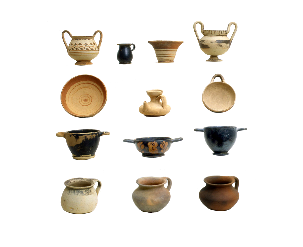
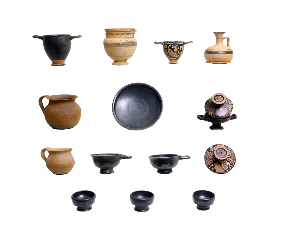
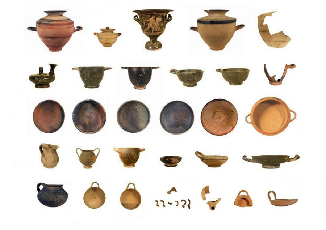
The image depicts a collection of archaeological artifacts, primarily comprising pottery pieces with various shapes and sizes. The materials appear to be clay, some parts showing signs of wear and aging. Some pots are intact while others are fragmented or broken. There is a range in the colors of the glaze or paint on the surfaces, indicating possible variations in their use or origin.

WF 69

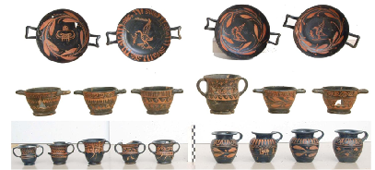
The image shows a collection of ancient Greek and Roman ceramics. The artifacts include various types of vases, bowls, and cups with visible decorative elements such as painted figures, patterns, and handles. Each piece exhibits different shades of brown and black, indicative of the techniques used in their creation, such as the red-figure technique for some vases.

WF 70

The image displays a collection of ancient Greek and Roman vases, showcasing various shapes, sizes, and decorative styles. These vases are typically made of ceramic and feature designs ranging from geometric patterns to scenes depicting mythological figures or daily life activities.

WF 71

The image displays a collection of ancient pottery items. Among them are intact and fragmentary pieces with various shapes, sizes, and designs on their surfaces. The material appears to be clay, indicative of their likely terracotta construction, which is common for pottery from the past. Some fragments show visible decoration or glazing that might suggest cultural significance or artistic value when considered within an archaeological context.

WF 72

The image displays a collection of antique vases, plates, and bowls with intricate designs. They are crafted from ceramics and feature various shapes, colors, and patterns, reflecting the craftsmanship and styles from different periods in history. The items showcase a range of decorative elements such as scenes, figures, and geometric motifs.

WF 73

The image displays a collection of ancient Greek and Roman vases, each with its own distinct design and color patterns. They showcase a variety of styles from different historical periods, providing an overview of the evolution of pottery techniques and artistic preferences in classical antiquity. The materials used are typically clay and other earthenware components, which have been fired to produce hard and durable ceramics.

WF 74

The image shows a black-figured Greek vase with visible human figures depicted on its surface. The scene is likely from mythology or daily life in antiquity, rendered in the distinctive style of ancient Greek pottery. The vase has a round body and stands on an integral base, with handles for carrying at either end.

WF 75

The image shows a fragment of an ancient pot with visible decorative elements. The ceramic has a reddish-orange slip on its surface, and there is a partially obscured human figure design in the center, suggesting it could have been part of a larger scene or narrative.

WF 76

The image displays a collection of ancient Greek pottery items. The objects are predominantly made of terracotta, with visible glazes and painted designs typical of classical period ceramics. Key features include handles, lids, rims, and decorative motifs such as scenes or patterns that can provide insight into the cultural contexts in which these artifacts were created.

WF 77

This is an antique pottery bowl with a horse motif depicted on its side. The bowl appears to be made from dark-colored clay and has visible handles for holding, which suggests it may have been used in the past for serving or consuming food or drink. The intricate design on the bowl adds to its aesthetic appeal and historical significance.

WF 78

This is an ancient Greek vase, made from terracotta with black-figure decoration. The vase depicts scenes with figures wearing robes and engaging in various actions. It showcases intricate details of the attire and the postures of the human forms depicted on its surface.

WF 79

The image displays a variety of ancient pottery vessels with different shapes, sizes, and designs. The pots are made from ceramic materials and show signs of wear indicative of their age. The photo is taken against a neutral background which helps to highlight the details and colors of the objects.

WF 80

Ancient Greek vase depicting a figure in mid-stride, possibly on horseback, with intricate patterns and text inscriptions; made of terracotta.

WF 81a

Ancient artifact resembling a drinking cup with handle, featuring intricate designs on its side and base, made from a material that has aged into a dark color, possibly bronze or copper.

WF 81b

This is an image featuring a collection of ancient Greek vases, known as amphorae. They are made from terracotta clay and display various colors due to the firing process and decorative techniques used in antiquity. Each vase exhibits different designs and patterns indicative of the artistic styles and cultural themes from the time period they were created. The varying sizes and shapes also suggest their functional roles, such as storage or transportation of liquids like oil or wine.

WF 82

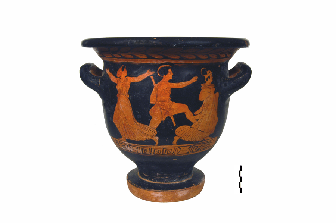
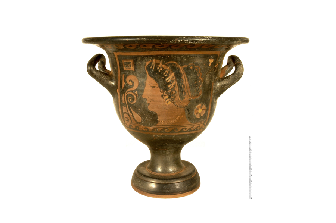
The image displays an intricately decorated ancient Greek vase known as a krater. It is cylindrical with two handles and depicts various scenes, including human figures. The style of the art on the vase suggests it may be from the Hellenistic period, which was characterized by dramatic and detailed storytelling through pottery designs.

WF 83

Ancient Greek vase with black glazed surface depicting scenes of warriors in classical attire.

WF 83 detail

The image shows a fragment of an ancient ceramic shard with visible patterns and designs. The object appears to be made of clay, and its key visual features include the textured surfaces and intricate decorations typical of historical pottery pieces.

WF 84


Ch. 8: Corrente

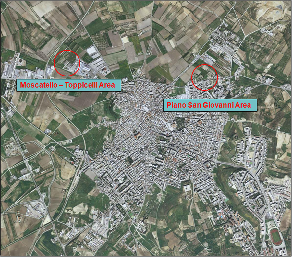
The image shows a satellite view of an area labeled "Moscatello-Toppino" in red text, with two circular annotations pointing at specific locations. The map provides aerial details of agricultural fields, urban areas, and roads, indicating the modern landscape features within these historical or archaeological zones.

WF 99

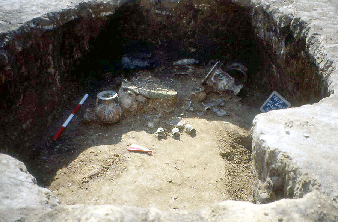
The image shows an excavated archaeological site with exposed layers of soil revealing fragmented pottery pieces. The objects are scattered across a small area, and their shards suggest they were once part of larger vessels or items made from ceramic material.

WF 100

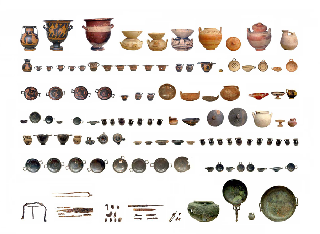
The image displays an array of archaeological artifacts consisting predominantly of various types and sizes of pottery. The pieces show a range of earthenware materials, colors, and patterns indicative of ancient ceramics. Some pots have visible decorations such as geometric designs or abstract motifs, while others appear plain with varying glazing techniques. There are also bowls and cups among the collection, all exhibiting signs of wear and possibly use over time. The pottery fragments are arranged in rows, providing a comprehensive view of this type of archaeological find.

WF 101a

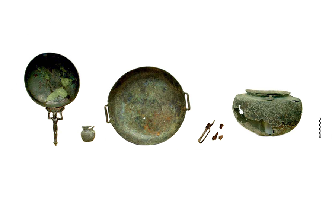
The image displays a collection of archaeological artifacts primarily made of metal, including what appears to be pans, hooks, and other cooking implements. The most prominent items are two large, round, lidded pots with handles, showing signs of rusting and corrosion. These pieces likely represent kitchenware from an earlier historical period, suggesting they were used for cooking or storage purposes in a past culture.

WF 101b

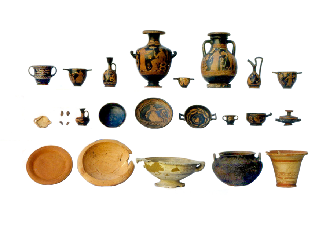
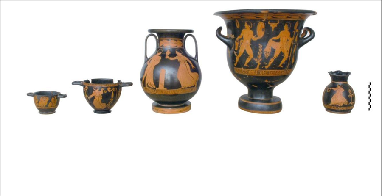
The image shows a collection of ancient Greek-style vases with painted scenes on them, featuring black figures against an orange background. The vases are arranged in a line and vary in size from smaller pieces at the left to larger ones towards the right. The material appears to be ceramic or earthenware.

WF 102

The image displays two identical Greek vases with black-figure pottery decoration. These antique vessels showcase scenes involving human figures, typically in a narrative style characteristic of classical Greek artistry. The craftsmanship includes details such as facial expressions and attire, providing insights into the cultural narratives and artistic techniques of ancient Greece.

WF 103

The image shows a pair of identical vases with a red-brown color. Each vase has handles on either side and is adorned with intricate patterns, including designs resembling faces at the top and textured decorations along its sides. The material appears to be clay or ceramic, indicative of pottery from an ancient culture.

WF 104

The image shows an array of ancient Greek-style ceramics, including a variety of bowls and vases with intricate painted designs. These artifacts feature prominent decorative elements such as geometric patterns, floral motifs, and human figures, which are characteristic of Greek pottery from the Geometric, Black-Figure, and Red-Figure periods. The craftsmanship is evident in the smooth surfaces and vibrant colors that have survived over time.

WF 105

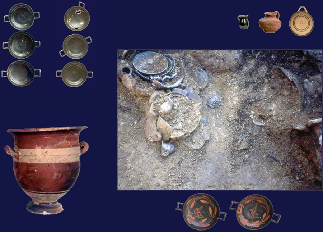
The image depicts an archaeological display featuring various types of ancient pots and pottery fragments. The items are arranged in a grid, showing their diversity in shapes, sizes, and decorative motifs, indicating they come from different time periods or cultures. The central focus is a detailed photograph of excavated pieces lying on the ground, surrounded by dirt, highlighting the process of unearthing these artifacts.

WF 106

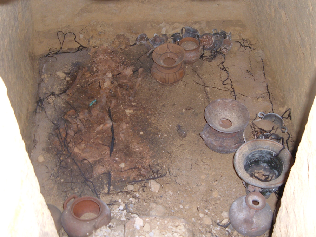
The image depicts an archaeological excavation site featuring a collection of pottery shards scattered on the ground, with some pieces appearing intact. The material looks like ceramic, and there's no visible text or distinctive marks that provide specific information about the origin or age of the artifacts.

WF 107

This is a series of three images featuring an ancient Greek vase with painted scenes on it. The vases are made of ceramic and display figures, suggesting they depict stories from mythology or daily life.

WF 108

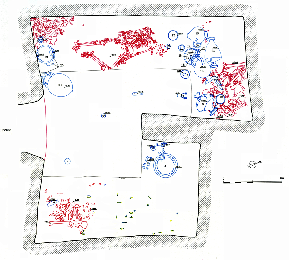
The image appears to depict a technical drawing or illustration of an archaeological artifact, likely a fragment of pottery. The key visual features include measurements and annotations that provide context for the object's size, shape, and possibly its significance. However, without more specific details, it's not possible to determine the exact nature of the material or the historical period it represents.

WF 109

Ancient Greek amphora with a stylized image on its body. The vase's neck is narrow and flared at the top, while its base is wider than the top due to an inverted bell-shaped design.

WF 110

This is an antique mechanical device with intricate metal parts. It appears to have a complex system of gears and other components, likely designed for precise movement or function. The machine has been carefully preserved and displayed on a flat surface, indicating its significance as an artifact.

WF 111

This is an image of a large ceramic vase with a lid. The vessel has intricate black-figured decorations featuring human figures and patterns. It appears to be an antique Greek or Roman pot, showcasing the artistic styles of those ancient civilizations.

WF 112


Ch. 10: Colivicchi

The image shows a collection of ancient pots in various shapes and sizes, with some appearing as whole vessels and others as fragmented pieces. The pots have different designs and textures on their surfaces, suggesting they are made from clay or ceramic materials. The key visual features include the curved forms, openings for handles or spouts, and intricate details that hint at artistic decoration common in historical pottery.

WF 126

Ancient black Greek vase with a scene depicting a woman in a flowing garment, set against white background, showing two sides of the same artifact: one view from above and another from an angle that highlights the profile.

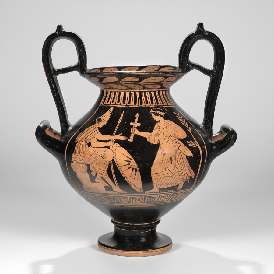
WF 127

The image shows an ancient Greek vase with black-figure pottery technique, featuring human figures depicted in profile, and likely represents a mythological scene. The vase has handles on either side for carrying and rests on a flat base.

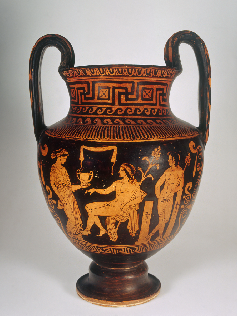
WF 128

Ancient Greek vase made of terracotta with black-figure technique, featuring detailed human figures engaging in an activity and adorned with intricate geometric patterns.

WF 129

Ancient Greek ceramic vase with a depiction of figures in classical attire, featuring black-figure technique. The vessel has handles and is displayed upright, showcasing its decorated body.

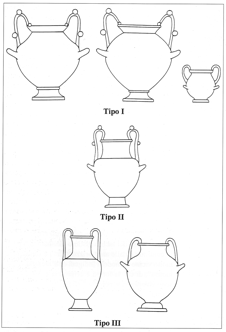
WF 130

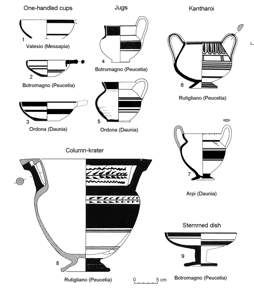
The image shows three types of Greek vases, each labeled with "Type I", "Type II", and "Type III". They are depicted in a simple line drawing style without color, focusing on the shapes and profiles of the vases. Each type varies slightly in design, indicating different styles or time periods.

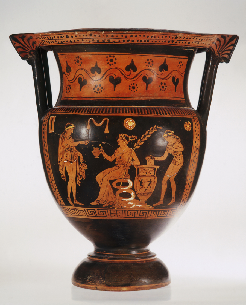
WF 131

Ancient Greek black-figure vase featuring figures that appear to be engaged in an activity, decorated with intricate details and patterns on its body and handles.

WF 132

This is an image of a small ceramic cup with a handle at either end. The cup's body has a floral pattern, and it appears to have an aged or weathered surface indicative of its age.

WF 133

Ch. 12: Carpenter

The image displays a classical vase with scenes from mythology. The vase is crafted in the style characteristic of Greek red-figure pottery, where the figures appear to have skin and clothes painted red against a black background. Key visual features include human figures depicted in action poses and intricate details that suggest narrative storytelling within mythological contexts.

WF 144

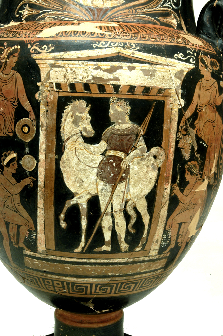
The image shows a detailed ancient Greek vase with black-figure pottery technique depicting a scene from mythology. The central figure is a woman, possibly a goddess or nymph, surrounded by other figures and mythical creatures. The pot is adorned with traditional architectural motifs and is inscribed with a Greek text that likely identifies the characters depicted or narrates their story.

WF 145

The image displays a series of black-figure pottery pieces arranged in a row, showcasing various scenes with human figures and animals depicted in a classical style. The figures are engaged in different activities, suggesting narrative or symbolic content often found in ancient Greek or Roman ceramics.

WF 146

The image shows a black-figured Greek vase with multiple scenes depicting human figures in various poses, including standing, sitting, and lying down. The figures are adorned in what appears to be ancient attire.

WF 147

The image shows a black-figured amphora from Ancient Greece, featuring scenes with human figures possibly depicting gods and goddesses in narrative poses. The object is adorned with intricate details typical of Greek pottery artistry.

WF 148

This is an ancient clay pot featuring a scene with figures wearing what appears to be Roman attire, standing near classical structures resembling temples. The artwork showcases human activity in a setting reminiscent of the ancient Mediterranean world.

WF 149

This is a black and white illustration depicting classical mythology scenes in high detail. The image showcases human figures engaged in various activities, wearing traditional Roman attire. Some figures are on horseback, while others are standing or sitting among architectural elements resembling ancient buildings. Textual fragments accompany the imagery, suggesting that this may represent an ancient manuscript page with annotations or translations related to the depicted events.

WF 150