
This is an image depicting a historical artifact from Ancient Apulia. It appears to be a fragment of painted pottery with visible human figures on it, suggesting the representation of people in various positions or activities. The style and quality of the artwork indicate that it may have been part of a larger piece or a series. The artifact's material is not clearly identifiable from the image alone; however, based on its appearance, it could be ceramic or another type of pottery often used in ancient contexts for decoration or storage.

Chapter 4: Francesca Silvestrelli, Red-Figure Vases from Metaponto: The Evidence from the Necropoleis Along the Coast Road

This image shows an aerial map with various colored markers scattered across a coastal area. The map includes fields and bodies of water, possibly indicating land usage or environmental features. The different colors of the markers may represent points of interest, sites, or other data relevant to the information being displayed.

WF 42: Metaponto. Schematic location of funerary areas (adapted by M. Limoncelli from Rocchietti 2002, pl.1; Tagliente 2006, fig. 732; De Siena 2007, fig. 7; Osanna 2008, pl. XVII.3 and XIX.2; Greco 2009.)
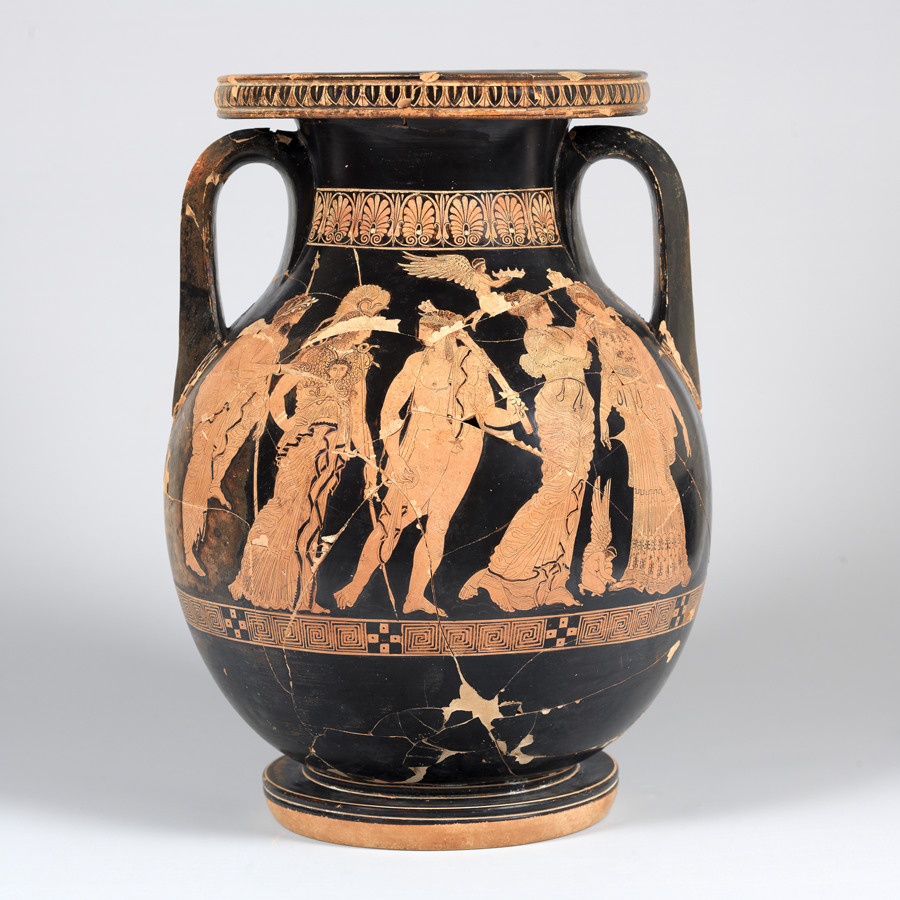
This is an image of a large ancient Greek vase known as a hydria. It's made of terracotta, and features painted scenes with figures engaged in various activities. The artwork includes detailed clothing and human forms, indicative of the artistic style from classical antiquity.

WF 43: Pelike by the Meidias Painter. Proprietà Giasi, tomb 428 (© Ministero per i Beni e le Attività Culturali-Direzione Regionale per I Culturali e Paesaggistici della Basilicata-Soprintendenza per i Beni Archeologici della Basilicata.)
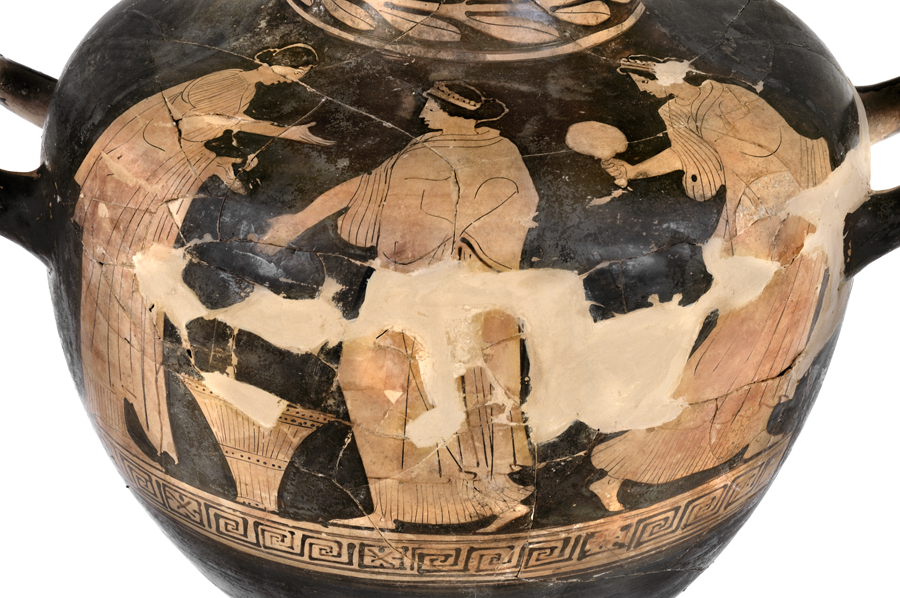
This is an antique vase made of terracotta with visible signs of age such as fading colors and areas of erosion. The vase features intricate designs, including what appears to be human figures and possibly mythological scenes, which are characteristic of ancient Greek or Roman pottery.

WF 44: Hydria by the Pisticci Painter. Proprietà Tarulli, tomb 697 (© Ministero per i Beni e le Attività Culturali-Direzione Regionale per I Culturali e Paesaggistici della Basilicata-Soprintendenza per i Beni Archeologici della Basilicata.)
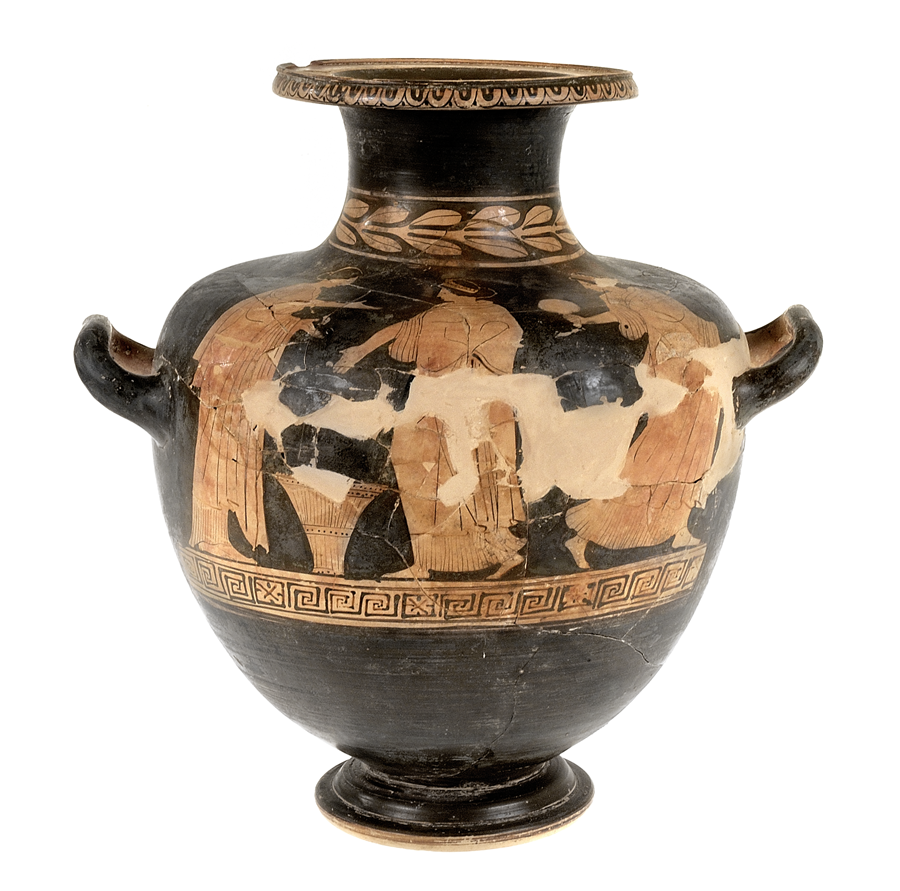
Ancient Greek vase painted with mythological figures, featuring black silhouette against a red background. The vase is covered in decorative patterns and has visible signs of age, such as chips and cracks.

WF 44 (detail): Hydria by the Pisticci Painter. Proprietà Tarulli, tomb 697 (© Ministero per i Beni e le Attività Culturali-Direzione Regionale per I Culturali e Paesaggistici della Basilicata-Soprintendenza per i Beni Archeologici della Basilicata.)
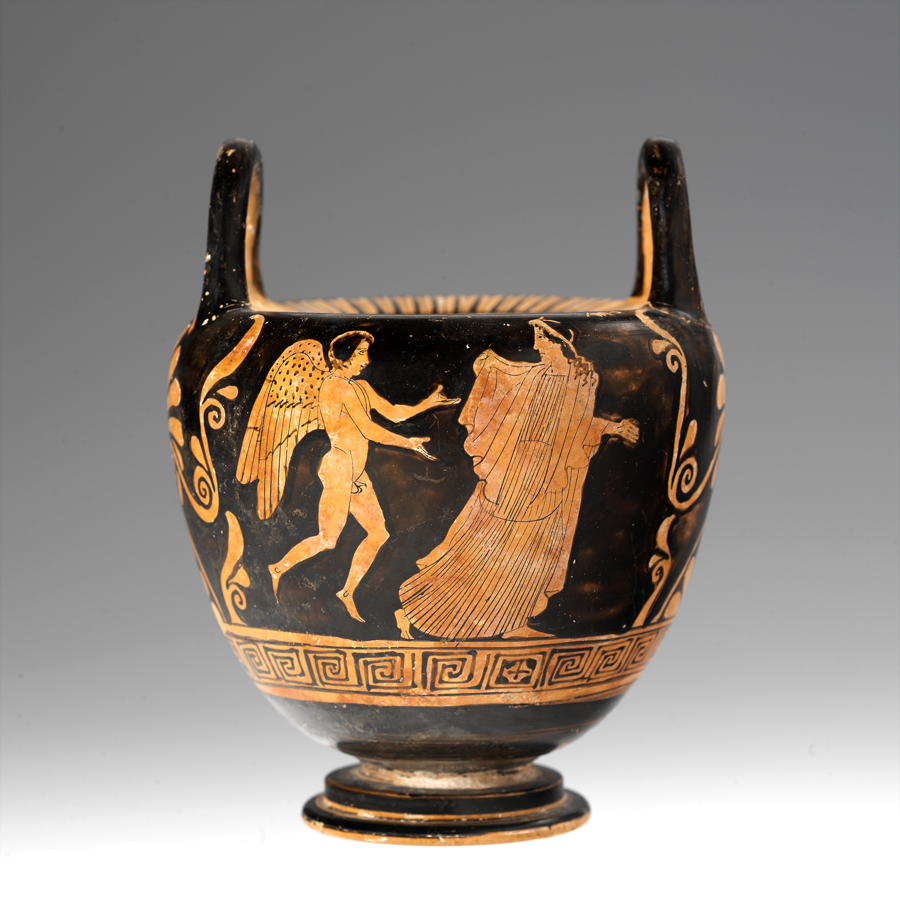
The image shows a Greek terracotta amphora featuring black-figure painting on its body. The vessel has two handles at the top and is decorated with figures, suggesting an artistic representation of mythology or daily life from ancient Greece.

WF 45a: Lebes gamikos by the Pisticci Painter. Proprietà Mutinati, tomb 597 (© Ministero per i Beni e le Attività Culturali-Direzione Regionale per I Culturali e Paesaggistici della Basilicata-Soprintendenza per i Beni Archeologici della Basilicata.)
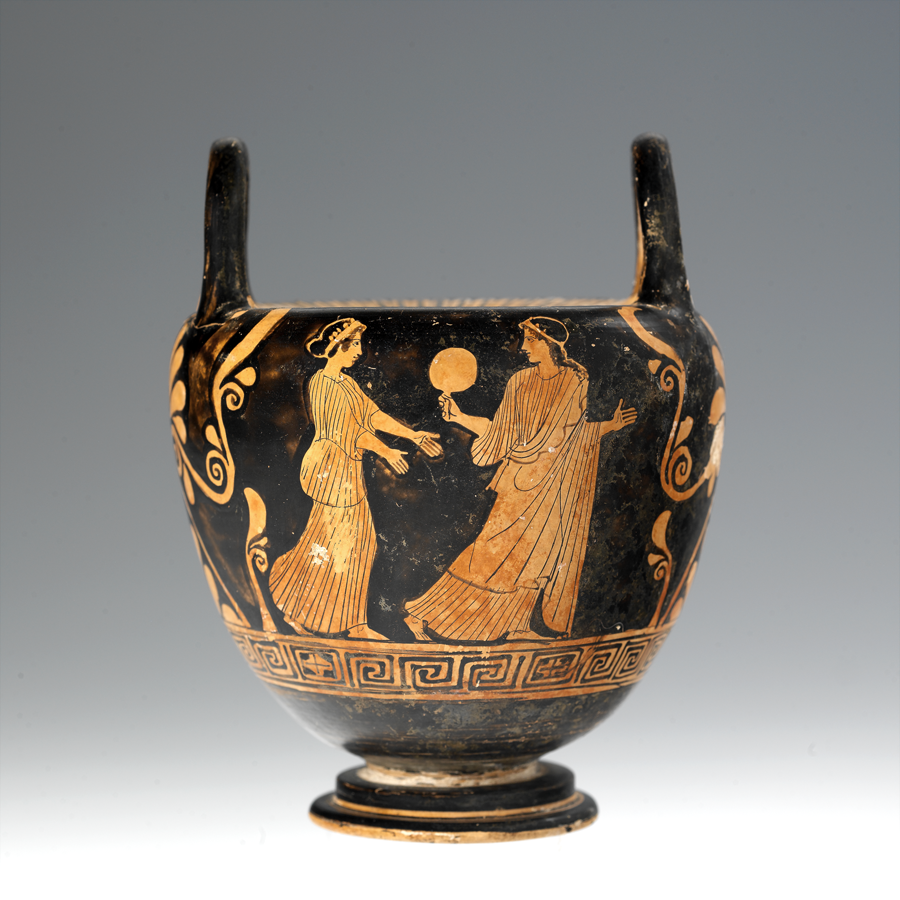
This is a photograph of an ancient Greek vase with intricate relief decorations depicting human figures in classical attire. The vase is primarily dark brown and the figures are in lighter tones, emphasizing their forms. It has two handles at its sides and stands on three legs, showcasing its classic ceramic pottery form.

WF 45b: Lebes gamikos by the Pisticci Painter. Proprietà Mutinati, tomb 597 (© Ministero per i Beni e le Attività Culturali-Direzione Regionale per I Culturali e Paesaggistici della Basilicata-Soprintendenza per i Beni Archeologici della Basilicata.)
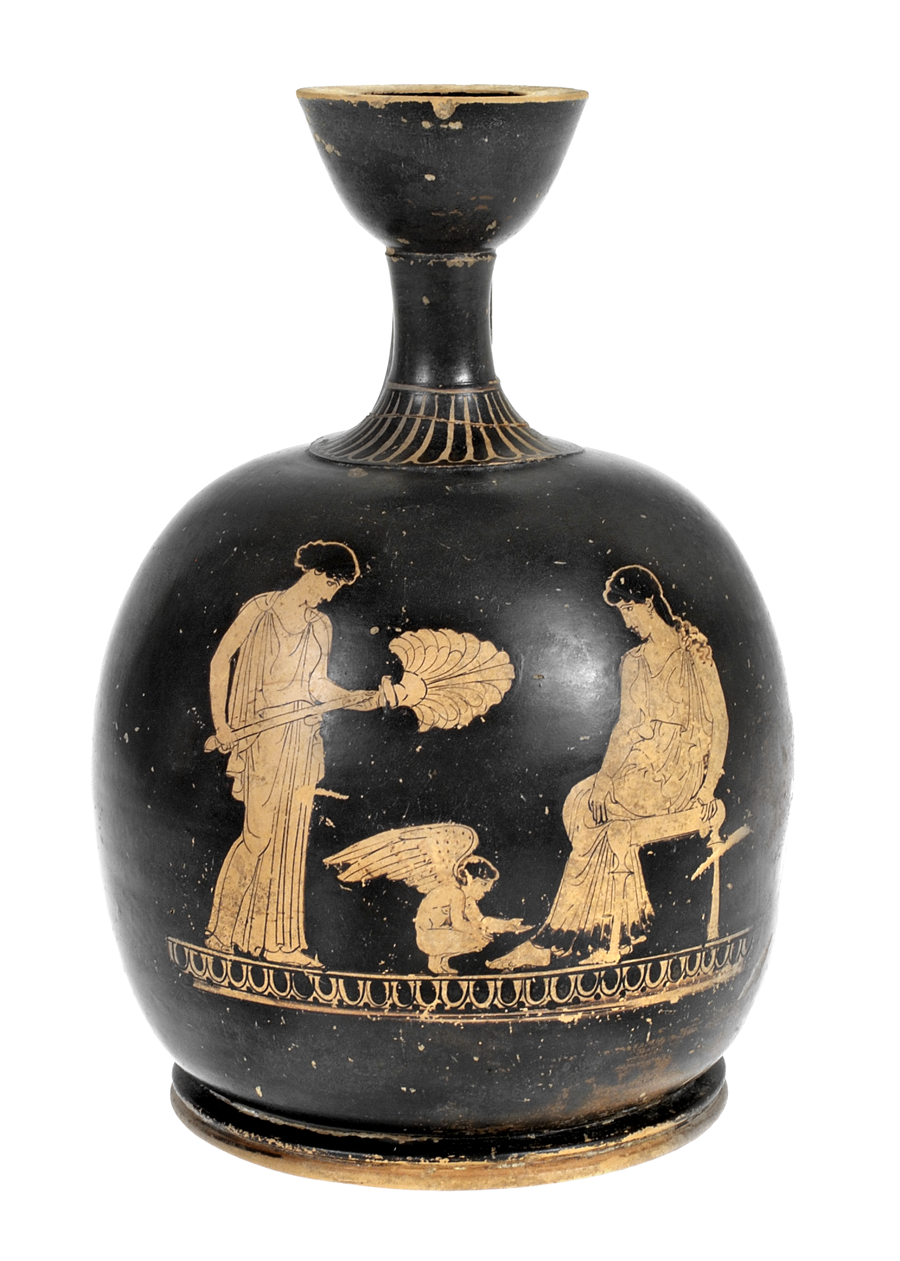
This is a black-figure amphora, an ancient Greek vase with scenes from daily life depicted on its sides. The figures are rendered in silhouette against a lighter background, giving them the characteristic three-dimensional effect of the black-figure technique.

WF 46: Lekythos. Proprietà Giasi, tomb 428. (© Ministero per i Beni e le Attività Culturali-Direzione Regionale per I Culturali e Paesaggistici della Basilicata-Soprintendenza per i Beni Archeologici della Basilicata.)
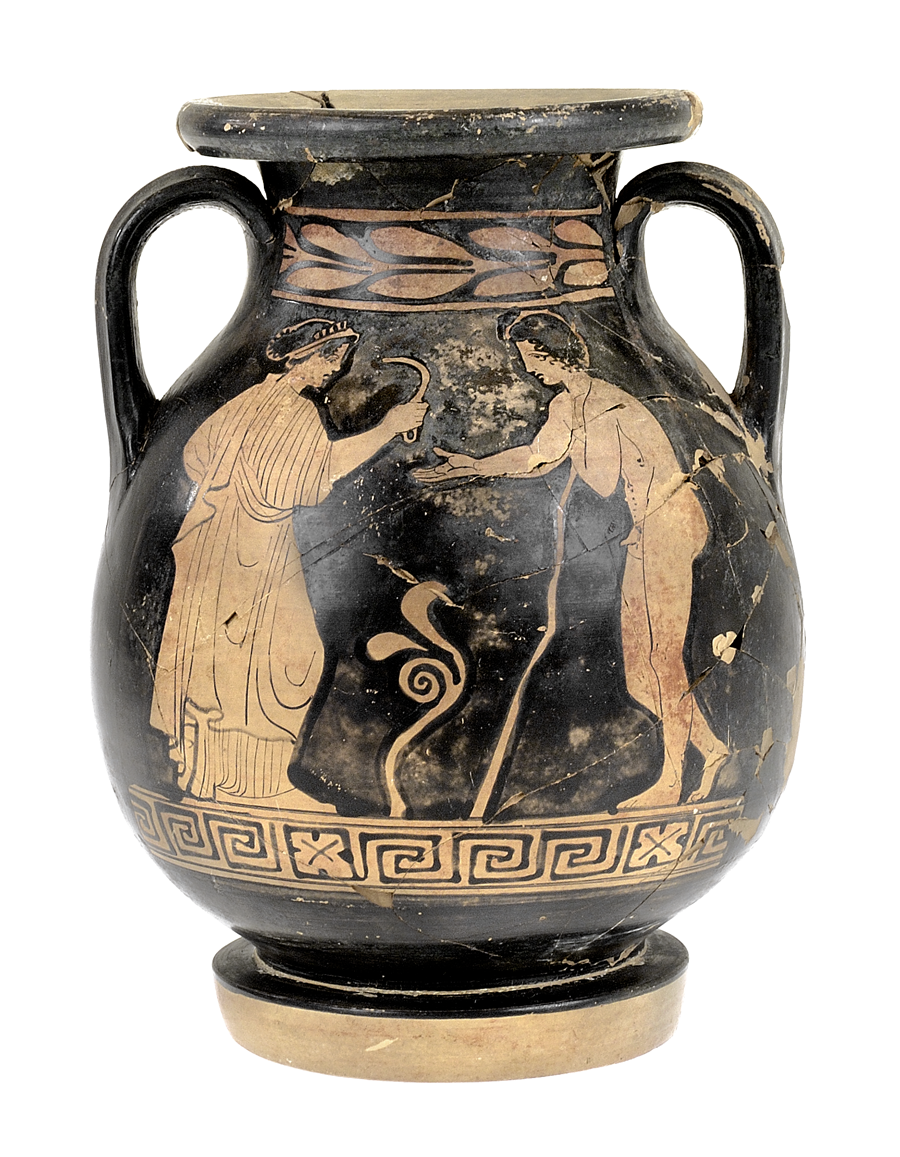
The image shows a black vase with two figures depicted on its side, which appear to be engaging in an activity such as dancing or interacting while holding objects like musical instruments or weapons. The pot has handles and features Greek-style design elements, indicative of its possible historical origin from ancient Greece.

WF 47a: Pelike by the Amykos Painter. Proprietà Giasi, tomb 231. (© Ministero per i Beni e le Attività Culturali-Direzione Regionale per I Culturali e Paesaggistici della Basilicata-Soprintendenza per i Beni Archeologici della Basilicata.)
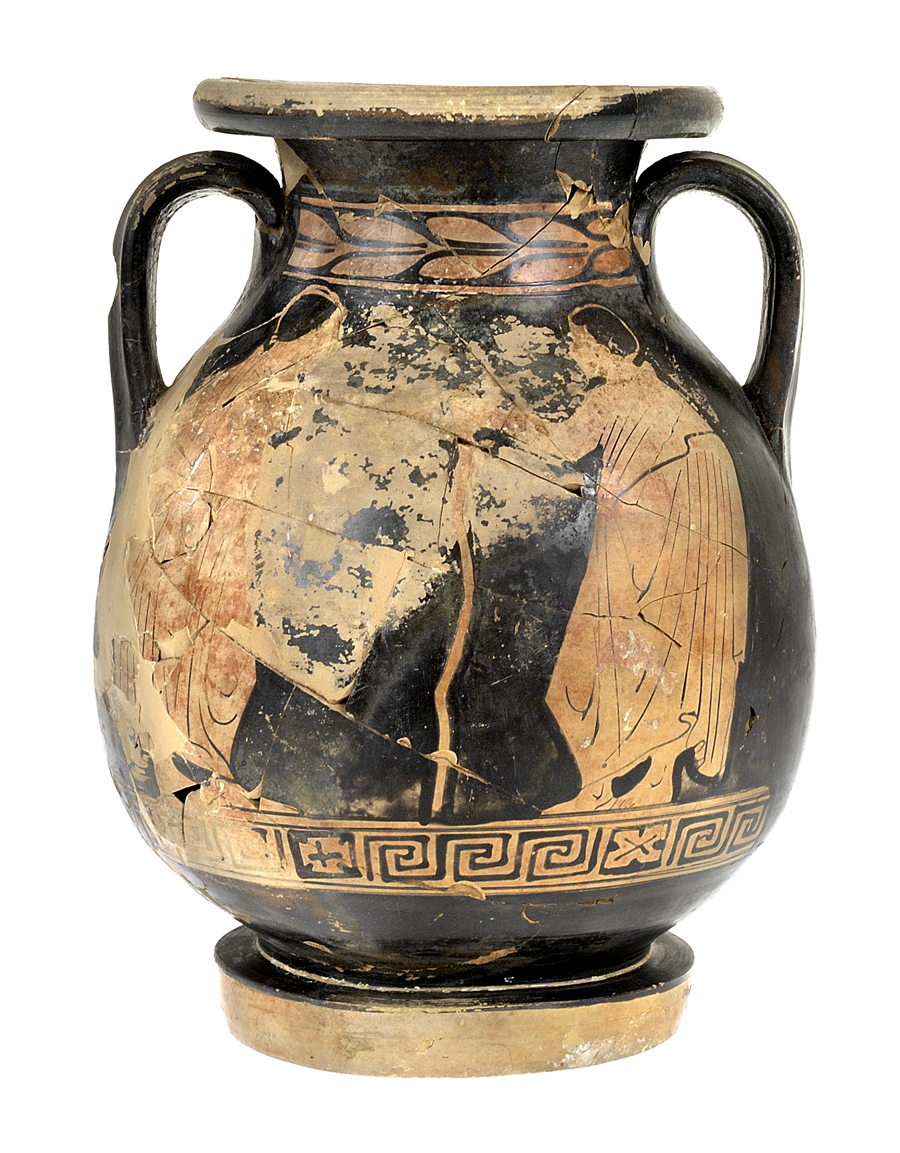
This is an ancient Greek terracotta vase with painted decoration featuring figures in a mythological scene. The vase has visible handles and a protruding foot for support, typical of the Dipylon style from around the 8th century BCE.

WF 47b: Pelike by the Amykos Painter. Proprietà Giasi, tomb 231. (© Ministero per i Beni e le Attività Culturali-Direzione Regionale per I Culturali e Paesaggistici della Basilicata-Soprintendenza per i Beni Archeologici della Basilicata.)
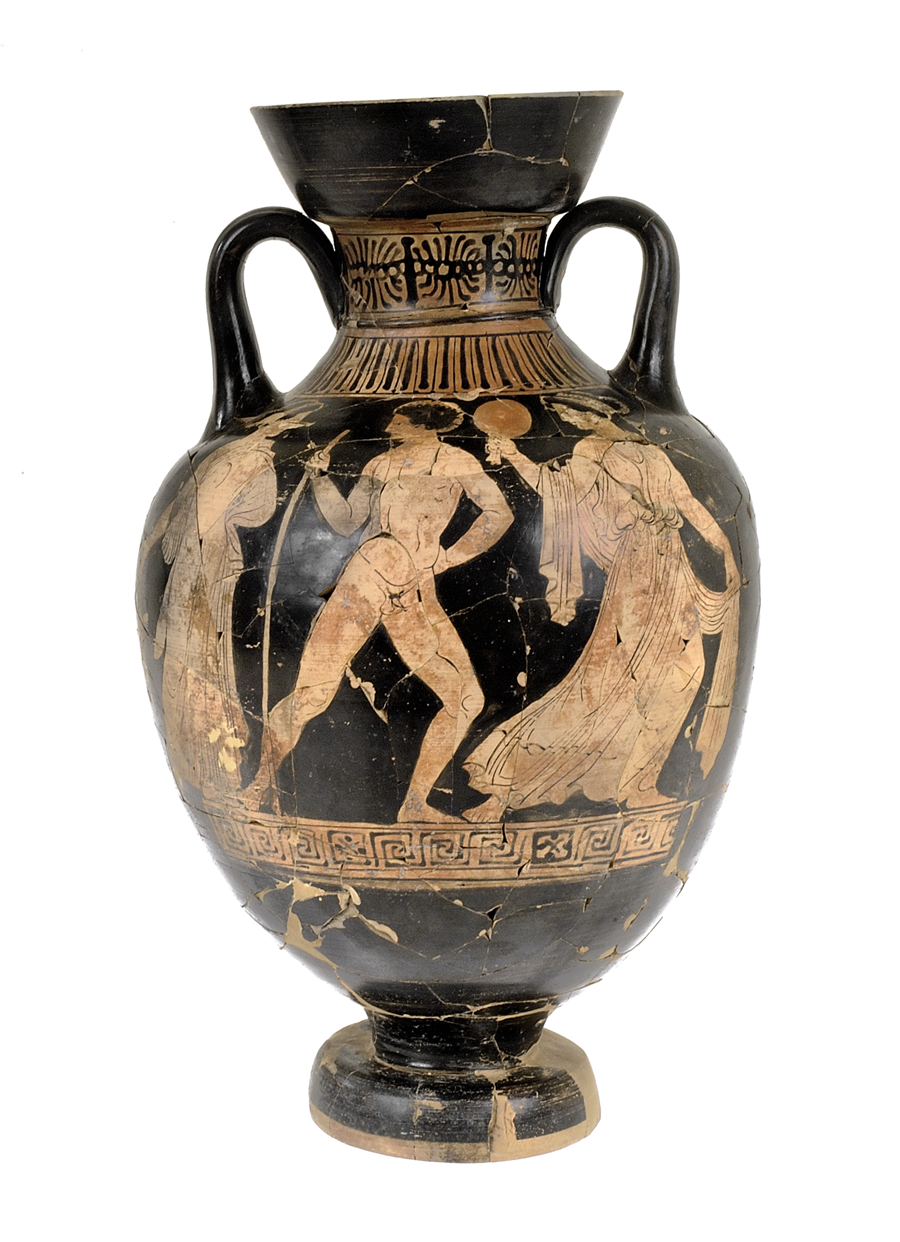
The image shows a Greek vase with black-figure pottery technique depicting human figures in a running pose, characterized by fine detail and artistic skill. The vase has visible signs of age and wear, indicative of ancient origin.

WF 48: Pseudopanathenaic amphora by the Karneia Painter. Proprietà La Torre, tomb 376. (© Ministero per i Beni e le Attività Culturali-Direzione Regionale per I Culturali e Paesaggistici della Basilicata-Soprintendenza per i Beni Archeologici della Basilicata.)
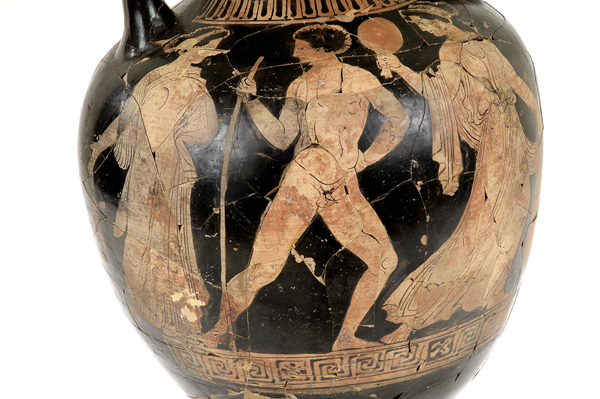
This is a large Greek black-figured amphora featuring human figures in various poses, showcasing the artistic style characteristic of Ancient Greece. The color contrast and details on their attire indicate an intricate design often found in ancient pottery.

WF 48 (detail): Pseudopanathenaic amphora by the Karneia Painter. Proprietà La Torre, tomb 376. (© Ministero per i Beni e le Attività Culturali-Direzione Regionale per I Culturali e Paesaggistici della Basilicata-Soprintendenza per i Beni Archeologici della Basilicata.)

The image shows a fragment of an ancient Greek vase with two painted figures on it. The vase is earthenware, and it features intricate details of the human figures' attire and facial expressions. The style indicates it's likely from a historical context when artists used pottery to depict scenes and stories.

WF 49: Pelike by the Palermo Painter. Proprietà Corrado, tomb 125. (© Ministero per i Beni e le Attività Culturali-Direzione Regionale per I Culturali e Paesaggistici della Basilicata-Soprintendenza per i Beni Archeologici della Basilicata.)

This is an image of a Greek black-figure amphora with visible figural decoration, suggesting scenes from mythology or everyday life. The vase appears to be in good condition, showcasing the craftsmanship and artistic style characteristic of ancient pottery.

WF 50a: Pelike by the Brooklyn-Budapest Painter. Proprietà La Torre, tomb 379. (© Ministero per i Beni e le Attività Culturali-Direzione Regionale per I Culturali e Paesaggistici della Basilicata-Soprintendenza per i Beni Archeologici della Basilicata.)

This is an image of a large, cylindrical ancient Greek vase with faded colors. The vase has visible decorative patterns and scenes, including human figures. It's made from a material that appears to have aged over time, giving it a weathered look.

WF 50b: Pelike by the Brooklyn-Budapest Painter. Proprietà La Torre, tomb 379. (© Ministero per i Beni e le Attività Culturali-Direzione Regionale per I Culturali e Paesaggistici della Basilicata-Soprintendenza per i Beni Archeologici della Basilicata.)
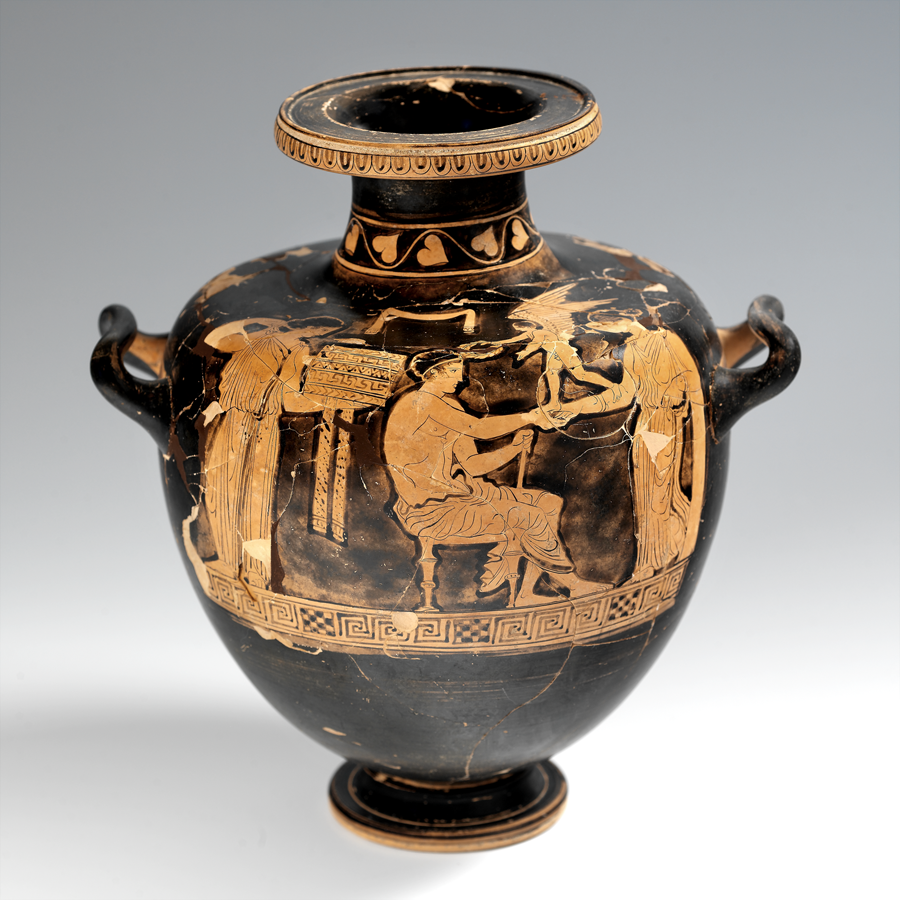
The image depicts an ancient Greek black-figured amphora. It is a large vase with two handles, and on its body there are scenes depicting figures engaged in various activities, rendered with high detail typical of the black-figure pottery style from this period. The colors visible include dark hues, possibly for the human figures, and lighter tones that suggest other elements within the scene. The amphora is displayed against a neutral background to highlight its features.

WF 51: Hydria. Proprietà Giasi, tomb 250. (© Ministero per i Beni e le Attività Culturali-Direzione Regionale per I Culturali e Paesaggistici della Basilicata-Soprintendenza per i Beni Archeologici della Basilicata.)
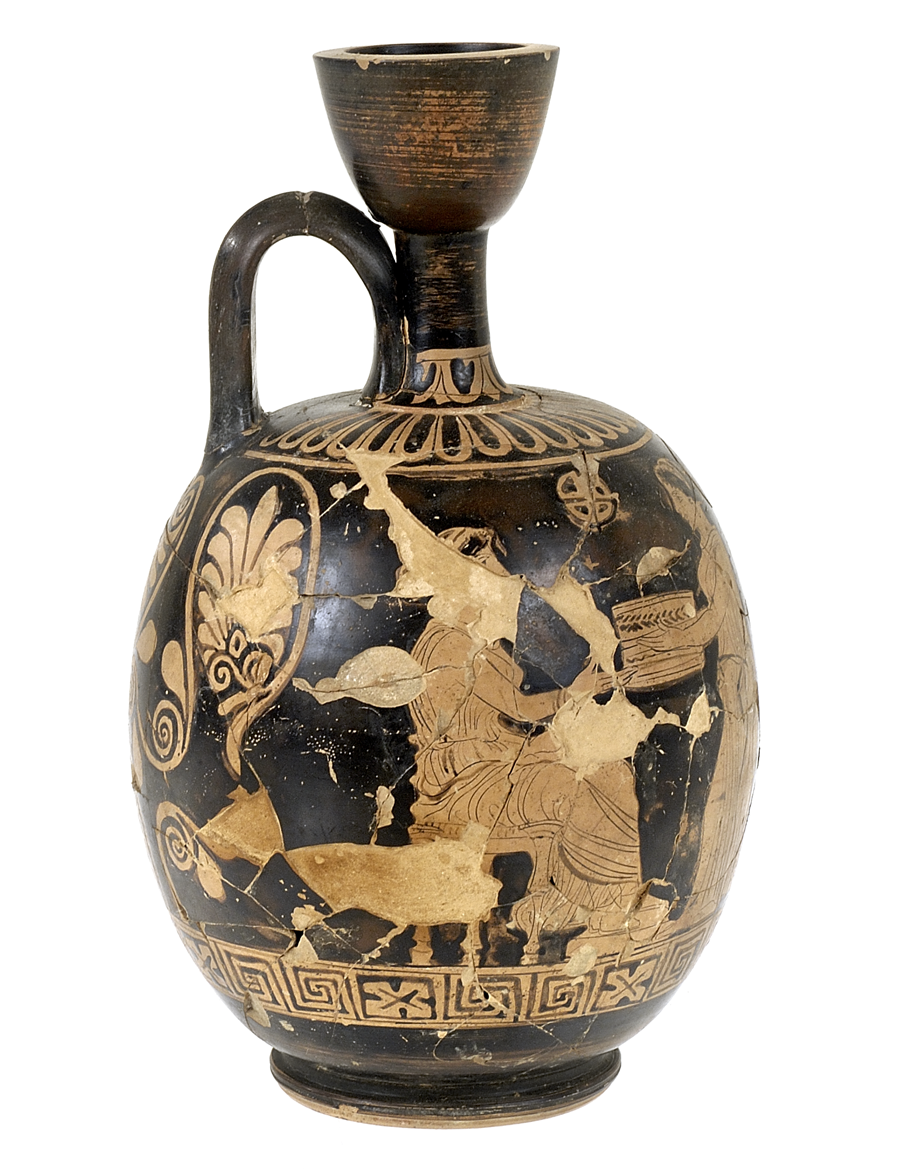
The image shows a whole, round ancient Greek vase with a handle on each side. The body of the vase is adorned with figures and designs in black and gold colors, characteristic of Etruscan art.

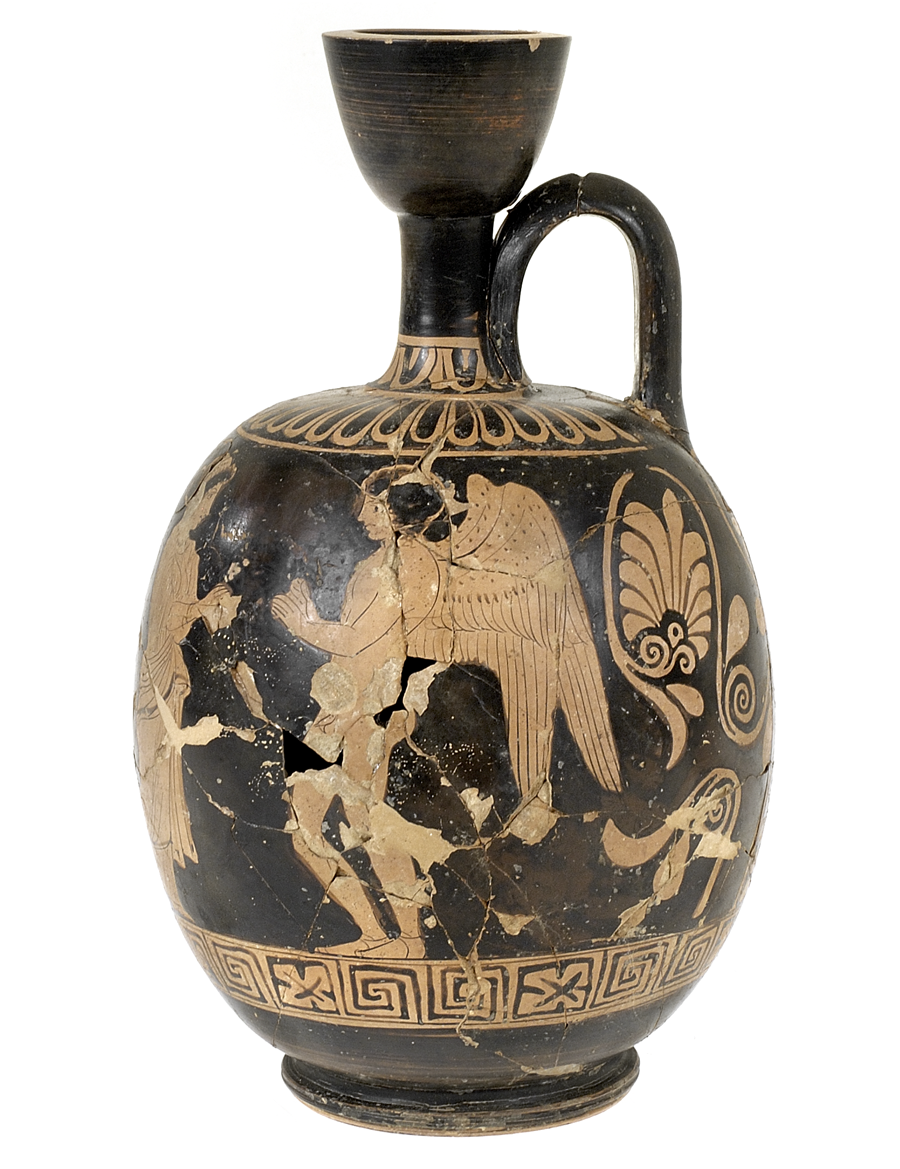
WF 52a: Lekythos by the Creusa Painter. Proprietà La Torre, tomb 369. (© Ministero per i Beni e le Attività Culturali-Direzione Regionale per I Culturali e Paesaggistici della Basilicata-Soprintendenza per i Beni Archeologici della Basilicata.)

The image shows a Greek vase with intricate black-figure decoration featuring human figures in profile. The vase has a cylindrical body, flaring mouth, and narrow neck with handles at either side for carrying. The surface is dark with areas of lighter color on the figures, suggesting age or intentional design to highlight the subjects.

WF 52b: Lekythos by the Creusa Painter. Proprietà La Torre, tomb 369. (© Ministero per i Beni e le Attività Culturali-Direzione Regionale per I Culturali e Paesaggistici della Basilicata-Soprintendenza per i Beni Archeologici della Basilicata.)
The image shows an ancient Greek vase with a handle on top and two handles on its sides, depicting figures in black-figure technique. The vase is made from ceramic material and features intricate designs and patterns typical of Greek pottery from the Classical period.

WF 52c: Lekythos by the Creusa Painter. Proprietà La Torre, tomb 369. (© Ministero per i Beni e le Attività Culturali-Direzione Regionale per I Culturali e Paesaggistici della Basilicata-Soprintendenza per i Beni Archeologici della Basilicata.)
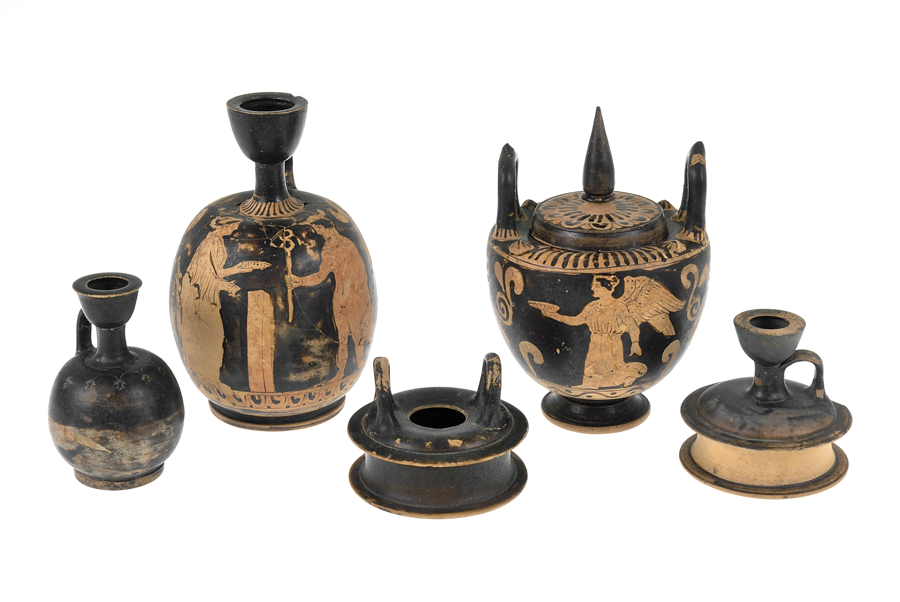
A collection of five antique Greek vases in various styles and sizes, featuring black-figure pottery techniques with visible decoration on their surfaces, displayed against a neutral background.

WF 53: Lebes gamikos and lekythos by the Anabates Painter. Proprietà Mutinati, tomb 546. (© Ministero per i Beni e le Attività Culturali-Direzione Regionale per I Culturali e Paesaggistici della Basilicata-Soprintendenza per i Beni Archeologici della Basilicata.)
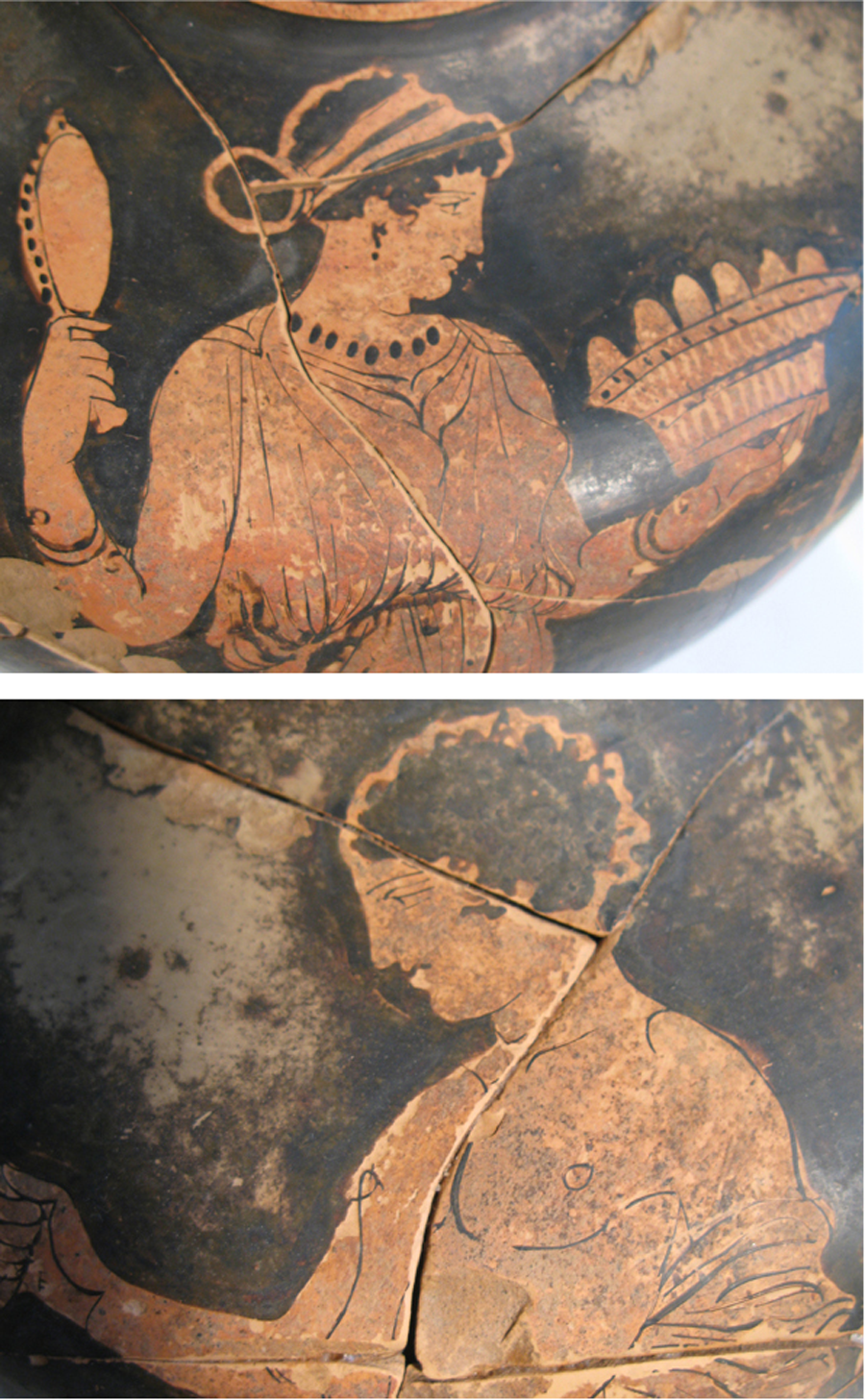
The image displays a portion of an ancient pottery vessel with depictions of human figures, likely from classical antiquity. The style and quality suggest it could be Greek or Roman, featuring two different scenes on each side. One scene depicts a seated figure holding what appears to be a scroll or document, while the other shows a standing figure holding out an object that resembles a lyre. The pottery is inscribed with incised patterns and has some visible wear and tear, indicative of its age and history.

WF 54: Hydria by the Dolon Painter. Proprietà Giasi, tomb 255. (© Ministero per i Beni e le Attività Culturali-Direzione Regionale per I Culturali e Paesaggistici della Basilicata-Soprintendenza per i Beni Archeologici della Basilicata.)

The image shows a large, round ceramic vessel with handles on each side and an intricate pattern depicting figures in profile along its body. The surface is darkened due to age, suggesting the piece is ancient, possibly Greek or Roman pottery.

WF 55a: Pseudopanathenaic amphora. Proprietà Mutinati, tomb 549. (© Ministero per i Beni e le Attività Culturali-Direzione Regionale per i Beni Culturali e Paesaggistici della Basilicata-Soprintendenza per i Beni Archeologici della Basilicata.)
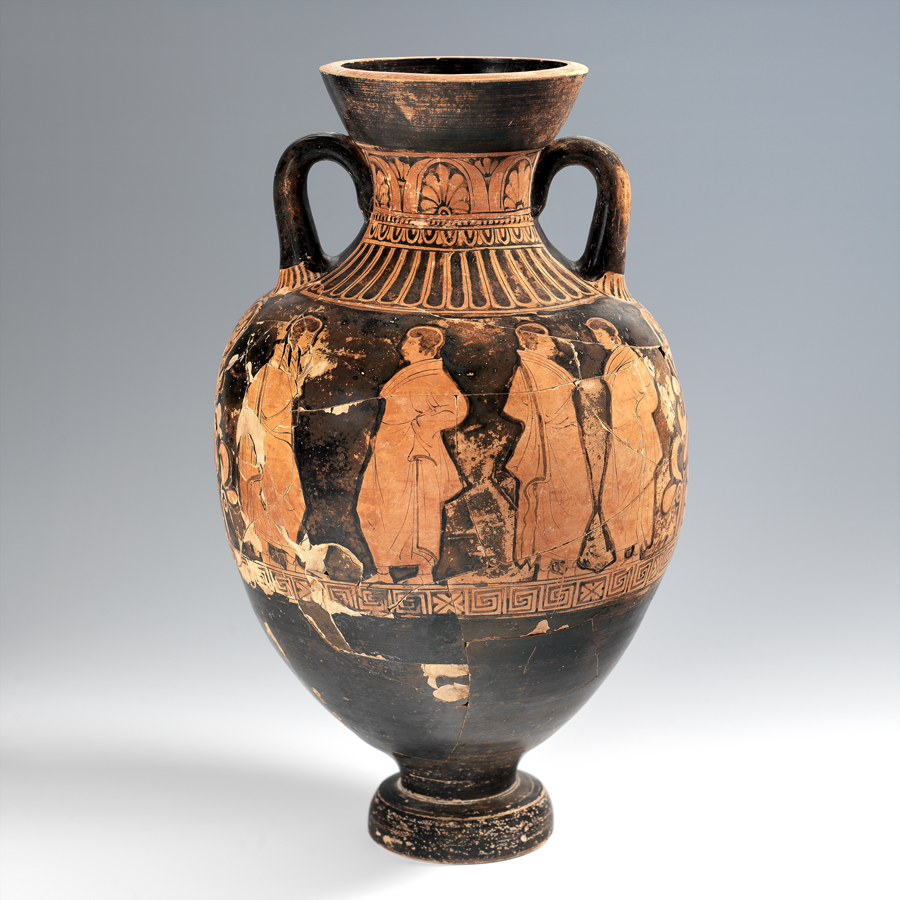
The image displays a large, ancient Greek vase with detailed black-figured decoration on its body and neck. The style is characteristic of the Attic Black Figure Style, which was popular in Athens during the late Archaic and early Classical periods of Ancient Greece.

WF 55b: Pseudopanathenaic amphora. Proprietà Mutinati, tomb 549. (© Ministero per i Beni e le Attività Culturali-Direzione Regionale per i Beni Culturali e Paesaggistici della Basilicata-Soprintendenza per i Beni Archeologici della Basilicata.)
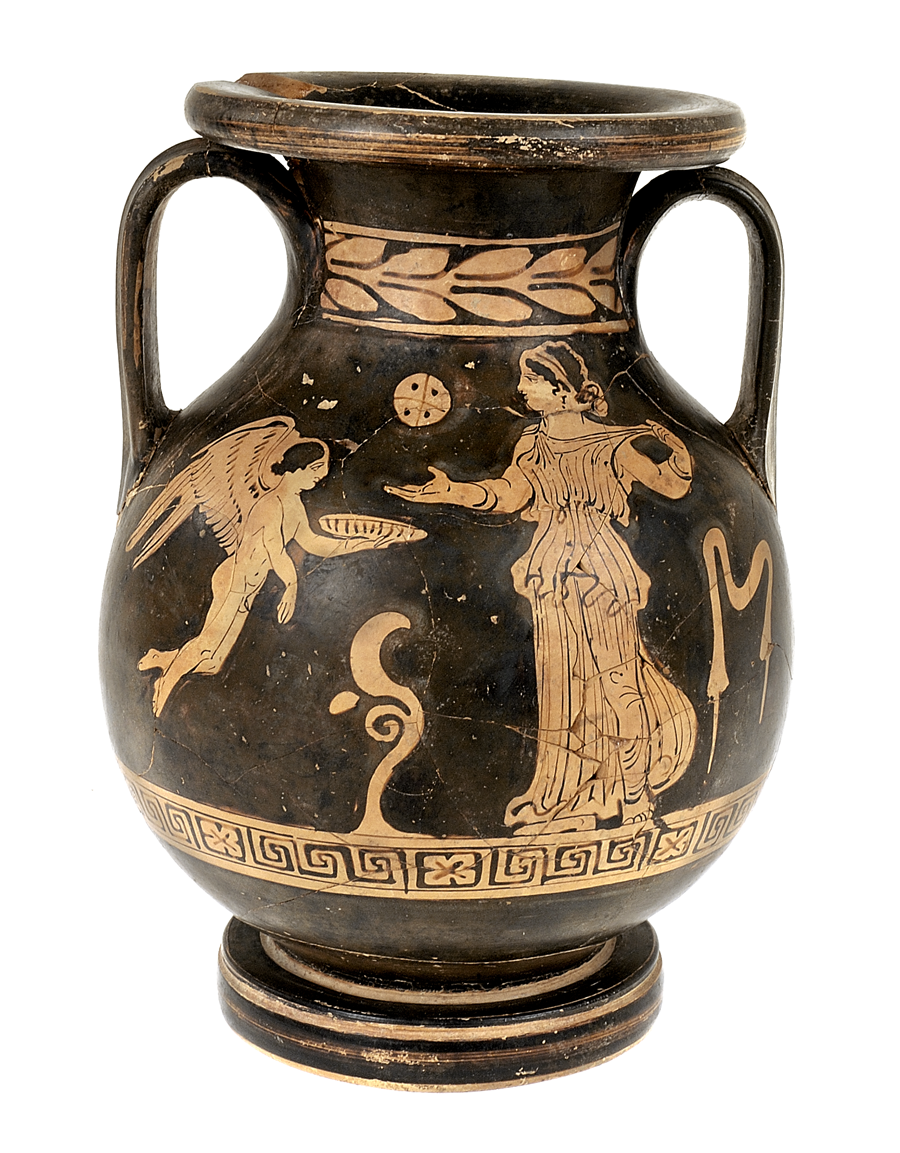
The image shows an antique Greek vase, featuring a scene with human figures. The style of the depiction is characteristic of ancient Greek art and the vase appears to be crafted from earthenware material.

WF 56a: Pelike. Proprietà Giasi, tomb 301. (© Ministero per i Beni e le Attività Culturali-Direzione Regionale per I Culturali e Paesaggistici della Basilicata-Soprintendenza per i Beni Archeologici della Basilicata.)
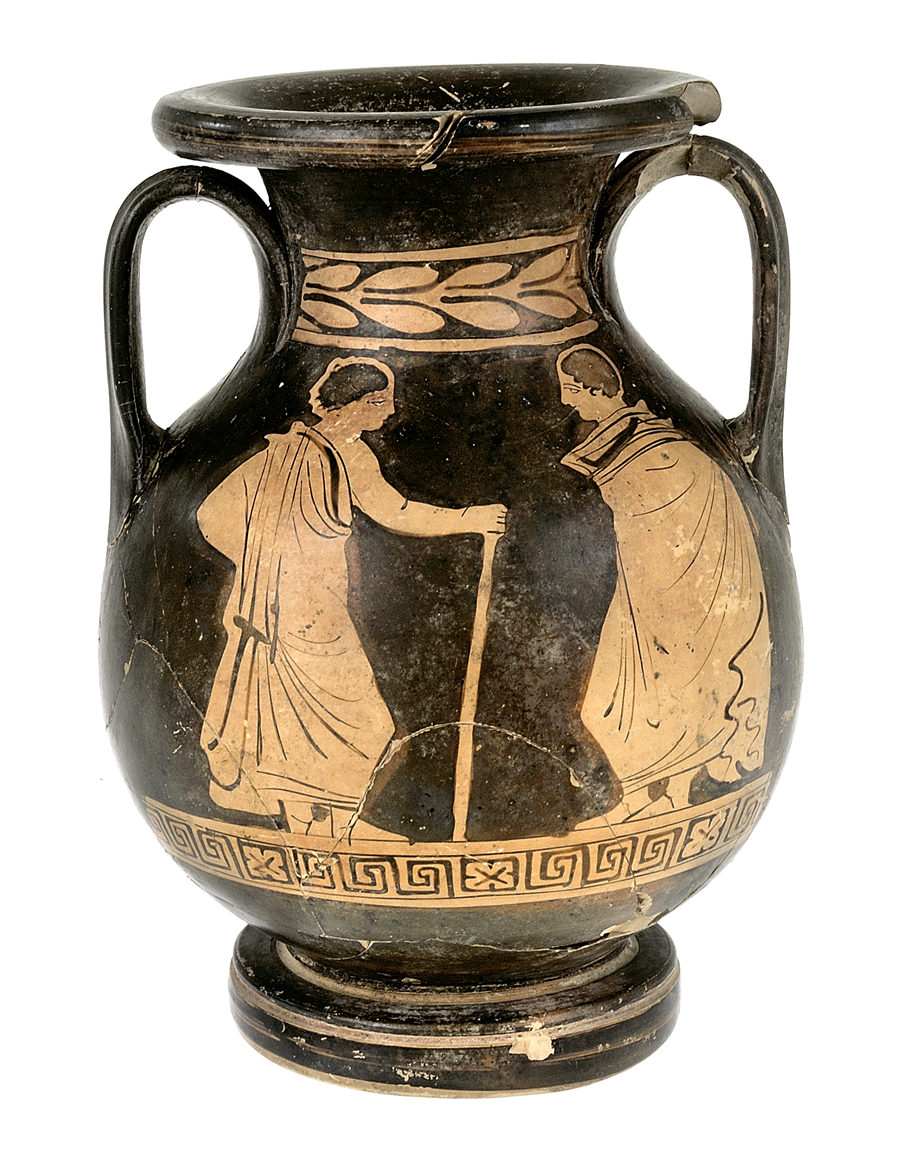
Ancient Greek pottery with black-figure style decoration featuring two human figures; one standing and the other seated, rendered in high relief against a textured background. The pot is intact, showcasing traditional Hellenistic artistry.

WF 56b: Pelike. Proprietà Giasi, tomb 301. (© Ministero per i Beni e le Attività Culturali-Direzione Regionale per I Culturali e Paesaggistici della Basilicata-Soprintendenza per i Beni Archeologici della Basilicata.)
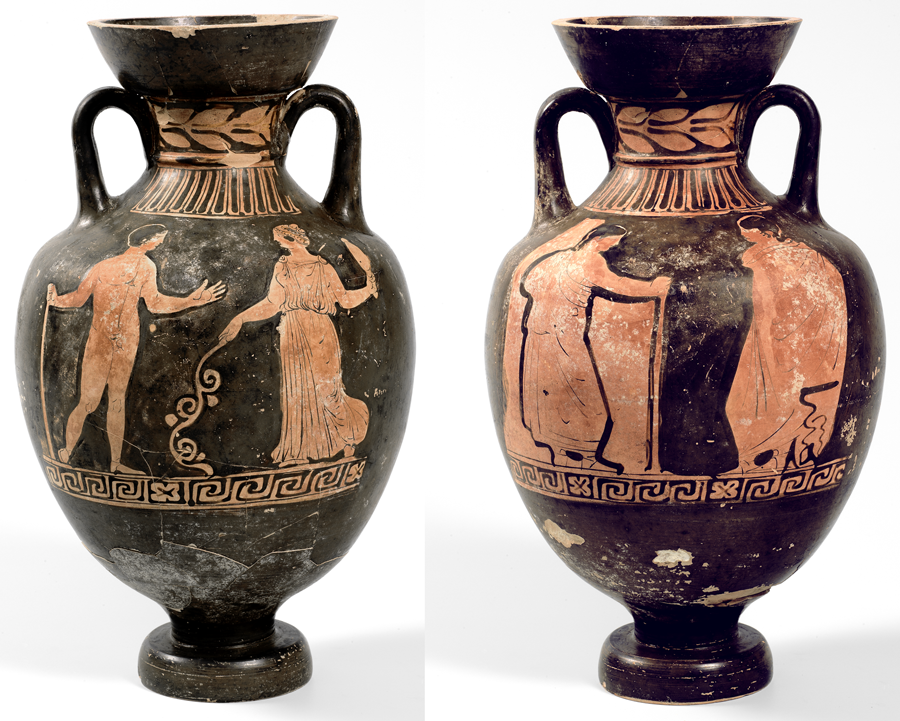
Three views of a cylindrical black-figured vase with a decorative scene depicting human figures, likely from ancient Greece.

WF 57: Pseudopanathenaic amphora. Proprietà Tarulli, tomb 713. (© Ministero per i Beni e le Attività Culturali-Direzione Regionale per I Culturali e Paesaggistici della Basilicata-Soprintendenza per i Beni Archeologici della Basilicata.)